Confused about Python basics? This Python Introduction FAQs guide answers the most common beginner questions—from what Python is and its history to installation, typing concepts, and IDLE vs PyCharm.
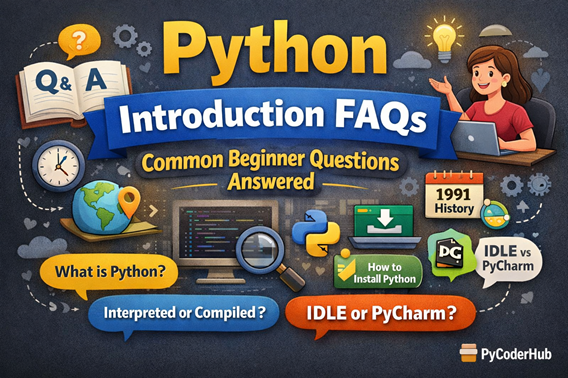
Confused about Python basics? This Python Introduction FAQs guide answers the most common beginner questions—from what Python is and its history to installation, typing concepts, and IDLE vs PyCharm.
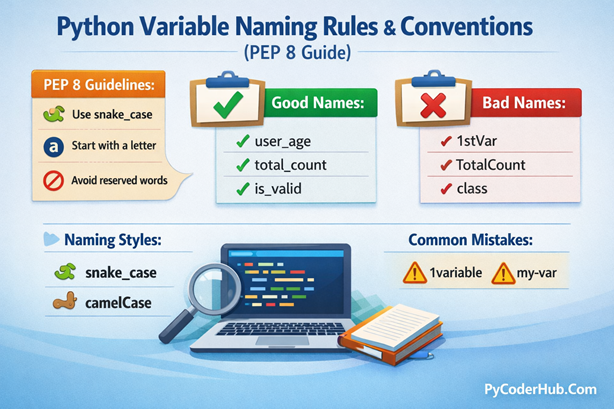
Python Variable Naming Rules play a crucial role in writing clean, readable, and maintainable code. In this detailed guide, you’ll learn why variable names matter, official naming rules, PEP 8 conventions, different naming styles, real-world code comparisons, common beginner mistakes, and what naming patterns to avoid in Python.
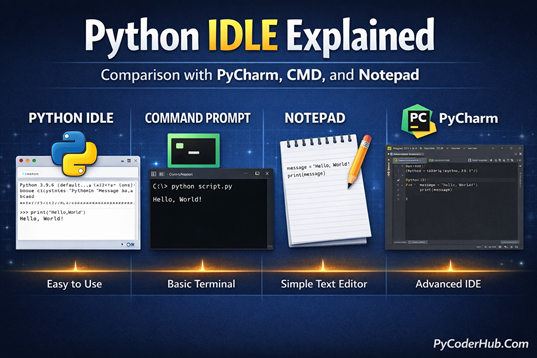
Did you know you already have a Python editor installed? This guide explores Python IDLE, the hidden tool bundled with Python. Learn how to write code using IDLE, the Command Prompt, and Notepad, then compare them with PyCharm to choose the best option for your coding journey.
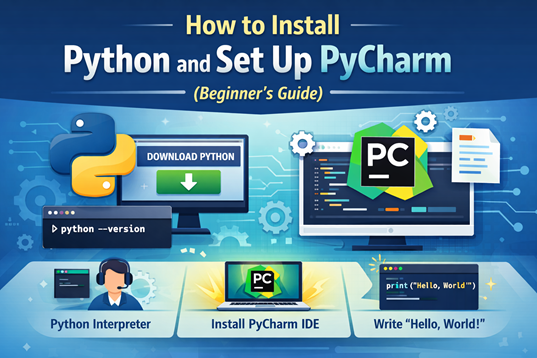
A complete beginner’s guide to installing Python and setting up PyCharm. Learn what the Python interpreter is, how PyCharm uses it, and write your first Hello World program step by step.
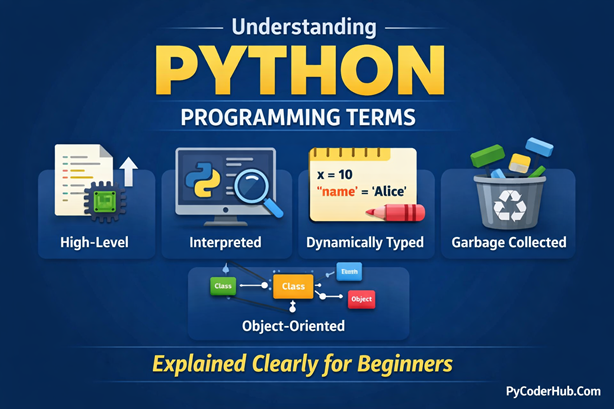
Confused by terms like high-level, interpreted, dynamically typed, or garbage-collected in Python’s definition? This guide breaks down every Python programming term in simple language, with examples, comparisons, and beginner-friendly explanations.
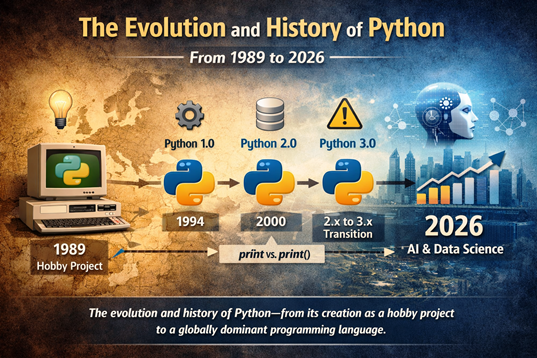
Python started as a simple hobby project in 1989 and grew into one of the most popular programming languages in the world. This guide explores the complete history and evolution of Python—from Python 1 and 2 to modern Python 3.
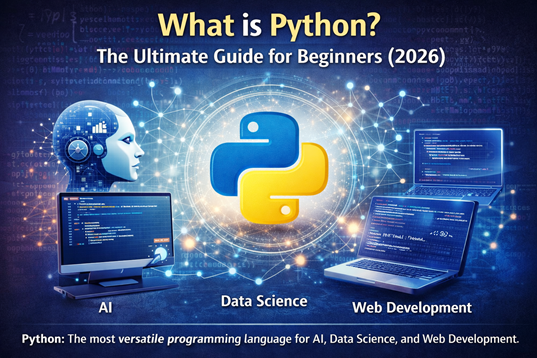
Welcome to your first step in coding! In this comprehensive pillar guide, we explore what Python is, its powerful features, and why it has become the most dominant programming language in the world today.